
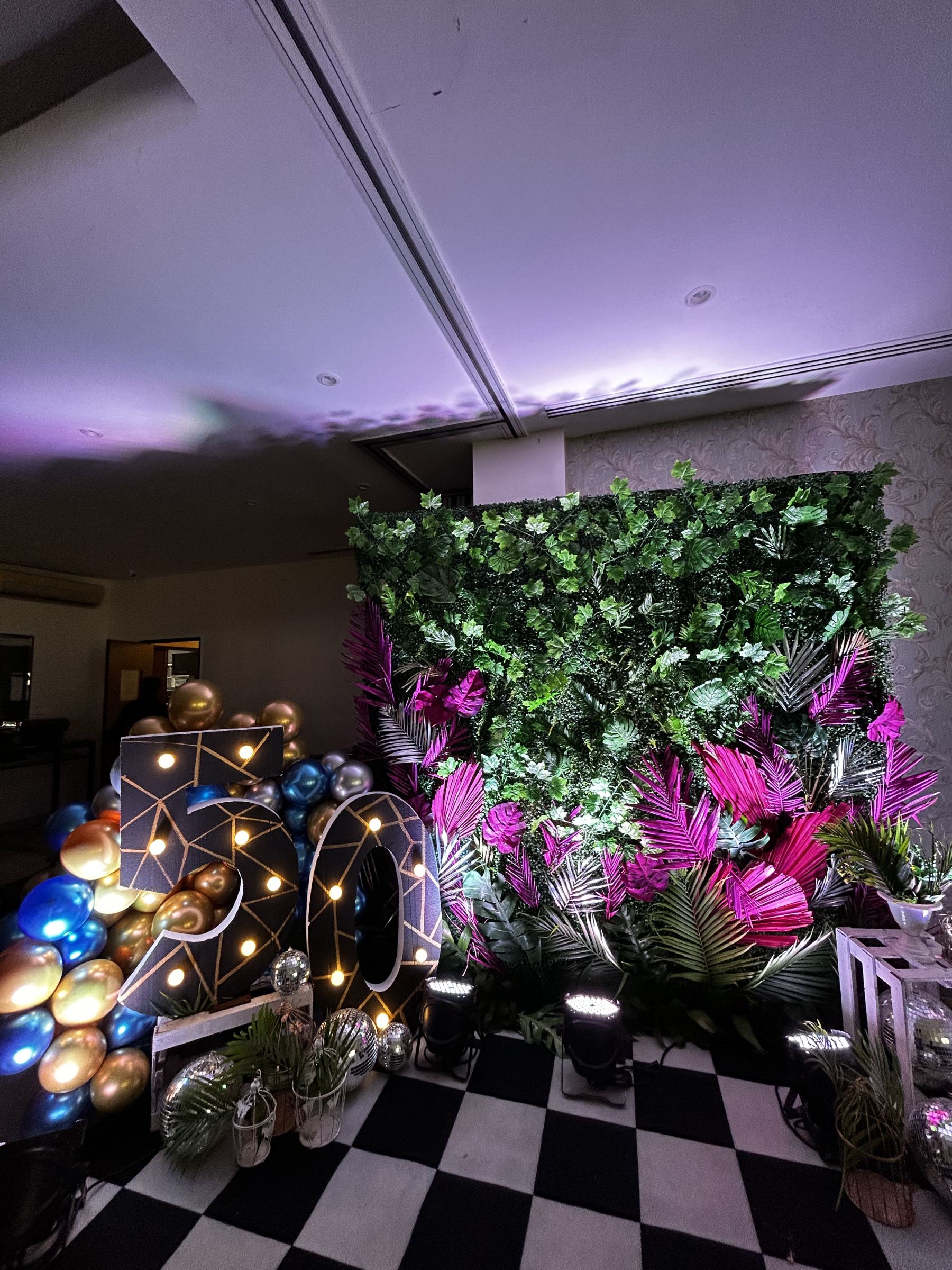
Conference Management Company Mumbai
Conference Management Company in Mumbai for Corporate & Business Events
A conference management company Mumbai helps businesses plan, coordinate, and execute professional conferences from the initial concept through on-ground delivery. This can include venue selection, agenda planning, speaker coordination, delegate registration, production, branding, hospitality, logistics, and event-day management.
Trupp & Fest brings creative event planning, production coordination, hospitality, logistics, and on-ground execution together to create structured corporate conferences and business events. With 425+ events, 10+ years of experience, 15+ team members, and 300+ clients highlighted on its website, Trupp & Fest combines broad event experience with a personalized approach to planning and execution.
Whether you are organizing a leadership conference, industry gathering, dealer or distributor meet, annual conference, business seminar, product-focused event, networking session, or hybrid conference, the team can develop an event plan around your audience, objectives, venue, timeline, and budget.
Conference Management Company Mumbai
What Is Conference Management?
Corporate conference event planning companies are responsible for coordination and execution of a professional gathering organized around a specific business, industry, networking, educational, or organizational objective.
A conference can involve many connected activities, including venue selection, agenda coordination, speaker management, delegate registration, stage production, audio-visual requirements, branding, catering, hospitality, transportation, and event-day operations.
The purpose of conference management is to bring these activities together through one structured plan. The objective is not simply to create an attractive event environment but to ensure that speakers, delegates, organizers, partners, vendors, and guests experience a well-coordinated event.
Conference planning companies generally focus on preparing the event, while management extends across planning, coordination, execution, and on-ground control. For organizations managing multiple stakeholders and suppliers, a coordinated approach can simplify communication and provide greater visibility over the event.
Conference Management Company
What Does a Conference Management Company in Mumbai Do?
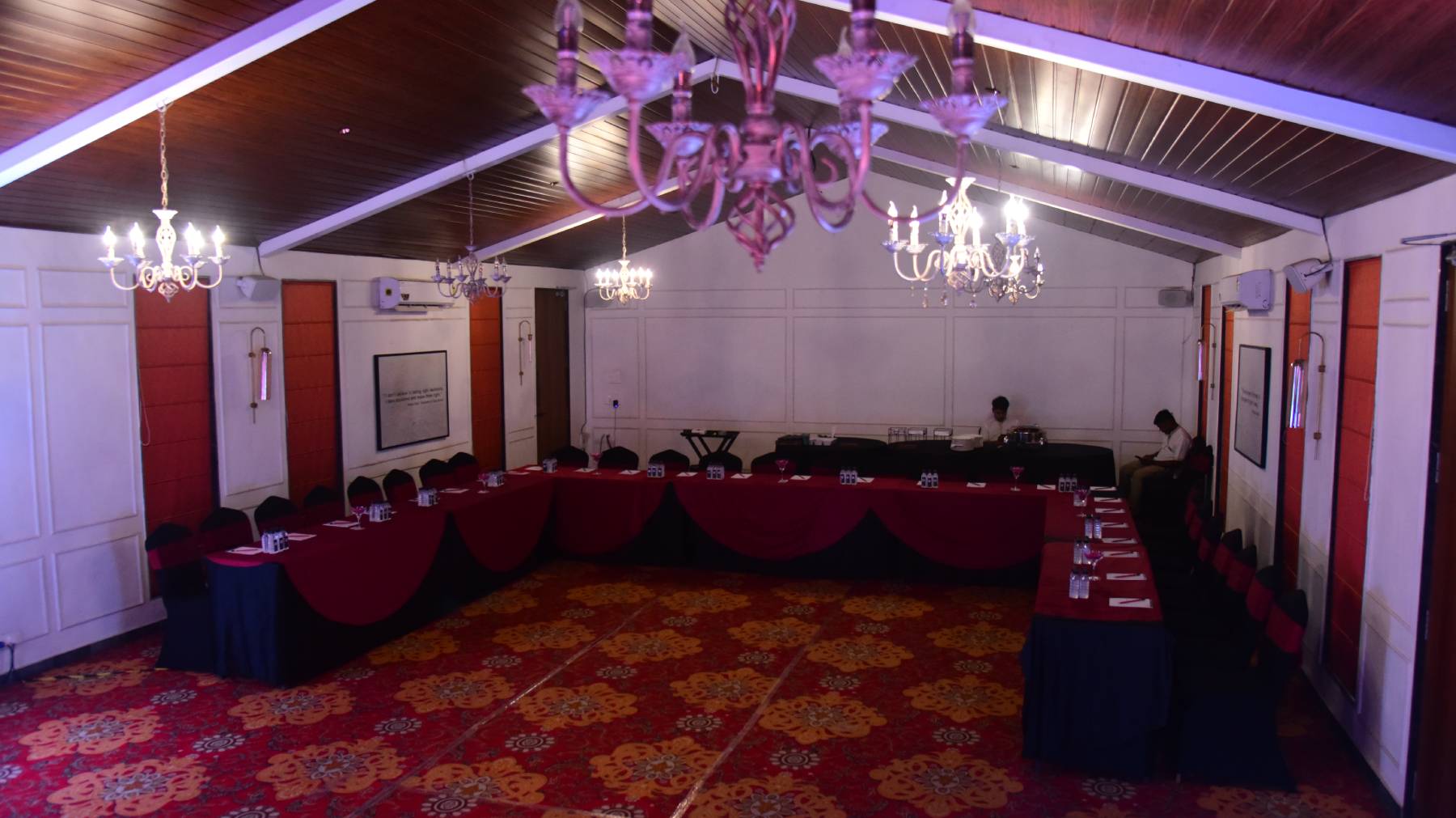
A conference management company Mumbai coordinates the different elements required to deliver a professional conference. Depending on the event scope, responsibilities can include:
- Understanding the business objective and target audience
- Developing the conference concept and planning framework
- Shortlisting and coordinating suitable venues
- Creating event timelines and production schedules
- Coordinating speakers, guests, delegates, and stakeholders
- Planning registration and check-in
- Coordinating stage, sound, lighting, screens, and technical production
- Developing conference branding and creative assets
- Managing hospitality, catering, accommodation, and transportation
- Coordinating event vendors and suppliers
- Managing event-day schedules
- Supporting post-event coordination and feedback
This type of support allows internal business teams to remain focused on their core objectives while an experienced event team handles the operational details.
For organizations looking for a conference organiser Mumbai, it is useful to evaluate not only the list of services offered but also the planning process, communication structure, vendor coordination, and on-ground support provided.
Conference Event
End-to-End Conference Event Management Services
A conference management company Mumbai coordinates the different elements required to deliver a professional conference. Depending on the event scope, responsibilities can include:
Conference Strategy & Planning
Every conference should begin with a clear understanding of its purpose.
Our planning process can consider:
- Business objectives
- Target audience
- Conference format
- Expected attendance
- Event duration
- Budget considerations
- Agenda requirements
- Speaker requirements
- Venue needs
- Production requirements
- Hospitality requirements
- Event timeline
Starting with these fundamentals helps ensure that creative, technical, hospitality, and logistical decisions support the same event objective.
Venue Selection & Conference Setup
The venue affects accessibility, attendee experience, production requirements, seating, hospitality, and event flow.
Our venue planning can consider:
- Guest capacity
- Location
- Accessibility
- Seating layouts
- Stage requirements
- Registration areas
- Breakout spaces
- Hospitality facilities
- Parking
- Technical infrastructure
- Loading and setup access
- Guest movement
For businesses comparing conference event planning companies, venue selection should be evaluated according to the complete event experience rather than capacity alone.
Speaker & Guest Management
Speakers and special guests may have different schedules, presentation formats, technical requirements, and hospitality needs.
Coordination can include:
- Speaker communication
- Session schedules
- Presentation requirements
- Arrival details
- Technical coordination
- Hospitality
- Travel requirements
- Accommodation coordination
- Stage support
Keeping these requirements within the main event plan can help reduce communication gaps and last-minute changes.
Delegate & Registration Management
Delegate experience starts before guests arrive at the venue.
Registration planning can include:
- Pre-event registration
- Guest databases
- Confirmation communication
- Check-in
- Name badges
- Registration desks
- Delegate assistance
- Guest movement
- Information support
A structured registration process creates a professional first impression and helps the event team manage arrivals more efficiently.
Stage, AV & Technical Production
Modern conferences often depend on reliable technical production. Keynote presentations, panel discussions, videos, demonstrations, and hybrid participation require technical planning that matches the agenda and venue.
Depending on the event, requirements may include:
- Stage design
- LED screens
- Projection
- Sound systems
- Microphones
- Lighting
- Presentation systems
- Video playback
- Recording
- Live streaming
- Hybrid-event technology
Technical production should be considered during the planning stage rather than added immediately before the event.
Conference Branding & Creative Requirements
A conference can provide an important platform for communicating an organization's identity and message.
Creative requirements can include:
- Stage backdrops
- Welcome signage
- Directional signage
- Registration branding
- Digital invitations
- Presentation templates
- Delegate materials
- Venue branding
- Event-specific creative assets
The creative direction can be developed around the organization, conference theme, audience, and overall event objective.
Hospitality & Logistics
Hospitality and logistics become especially important when conferences involve senior executives, speakers, partners, outstation delegates, or larger groups.
Support may include:
- Guest reception
- Transportation coordination
- Accommodation coordination
- Catering
- VIP assistance
- Venue coordination
- Delegate movement
- Hospitality desks
Effective logistics should support the attendee experience while keeping the conference schedule on track.
On-Ground Conference Management
Planning creates the framework, but event-day execution determines how smoothly that framework works in practice.
The on-ground team can coordinate venue representatives, speakers, production teams, registration staff, hospitality teams, suppliers, and event schedules.
If an unexpected issue occurs, the team can coordinate with the relevant stakeholders and work toward a practical solution while minimizing disruption to the event.
Conference Plan
What Your Conference Plan Can Include
A clear conference plan should define the responsibilities, deliverables, timelines, and coordination requirements before execution begins.
Depending on the agreed scope, the plan can include:
- Conference concept and objectives
- Venue research and coordination
- Event format and session planning
- Speaker coordination
- Delegate registration planning
- Seating and venue layouts
- Stage and production requirements
- AV and technical planning
- Conference branding
- Hospitality planning
- Catering coordination
- Transportation requirements
- Vendor coordination
- Event-day run sheet
- On-ground team responsibilities
- Post-event coordination
The scope can be adapted according to the event size, format, audience, budget, and level of support required.

Event Formats
Types of Conferences We Manage
Different organizations have different reasons for bringing people together. A conference organiser Mumbai should therefore be able to adapt the event structure to its audience, objective, format, and business requirements.
Corporate Conferences
Corporate conferences can support internal communication, leadership engagement, business updates, knowledge sharing, employee engagement, or stakeholder communication.
Industry Conferences
Industry conferences bring professionals, businesses, specialists, and stakeholders together around a particular sector, topic, development, or opportunity.
Leadership Conferences
Leadership events require a professional environment that supports keynote sessions, executive discussions, presentations, networking, and meaningful interaction.
Annual Conferences
Annual conferences can combine presentations, business communication, recognition, networking, employee engagement, and partner interaction.
Dealer & Distributor Conferences
Dealer and distributor conferences can help organizations communicate new initiatives, recognize partners, introduce products, share business updates, and strengthen channel relationships.
Product & Brand Conferences
Product-focused conferences can combine presentations, demonstrations, audience interaction, branding, and networking around a specific product or business message.
Business Seminars & Knowledge Events
Seminars and knowledge-sharing programs require careful coordination of speakers, sessions, delegates, technical production, venue setup, and attendee movement.
Networking & Industry Meets
Networking-focused conferences can be structured around discussions, interaction, breakout sessions, hospitality, and informal engagement.
Hybrid Conferences
Hybrid conferences combine physical and digital participation with streaming, technical infrastructure, presentation systems, remote engagement, and participant communication.
Objective-Led Planning
Corporate Conference Planning Based on Your Business Objectives
Effective corporate conference planning companies should begin with the reason behind the event rather than simply selecting a venue and creating a schedule.
Knowledge & Thought Leadership
If the objective is knowledge sharing, the conference can focus on keynote speakers, expert panels, presentations, workshops, discussions, and audience interaction.
Networking & Business Development
For networking-led events, seating, session formats, breaks, hospitality, and interaction opportunities can be designed to encourage useful conversations between participants.
When the conference supports a product or brand initiative, presentations, demonstrations, stage design, event branding, and attendee touchpoints can be aligned around the central message.
Employee & Leadership Engagement
Internal conferences can bring together employees, leadership teams, or business units for communication, recognition, training, strategic discussions, and engagement.
Partner, Dealer & Distributor Engagement
Partner-focused conferences can combine business presentations with networking, recognition, product communication, and relationship building.
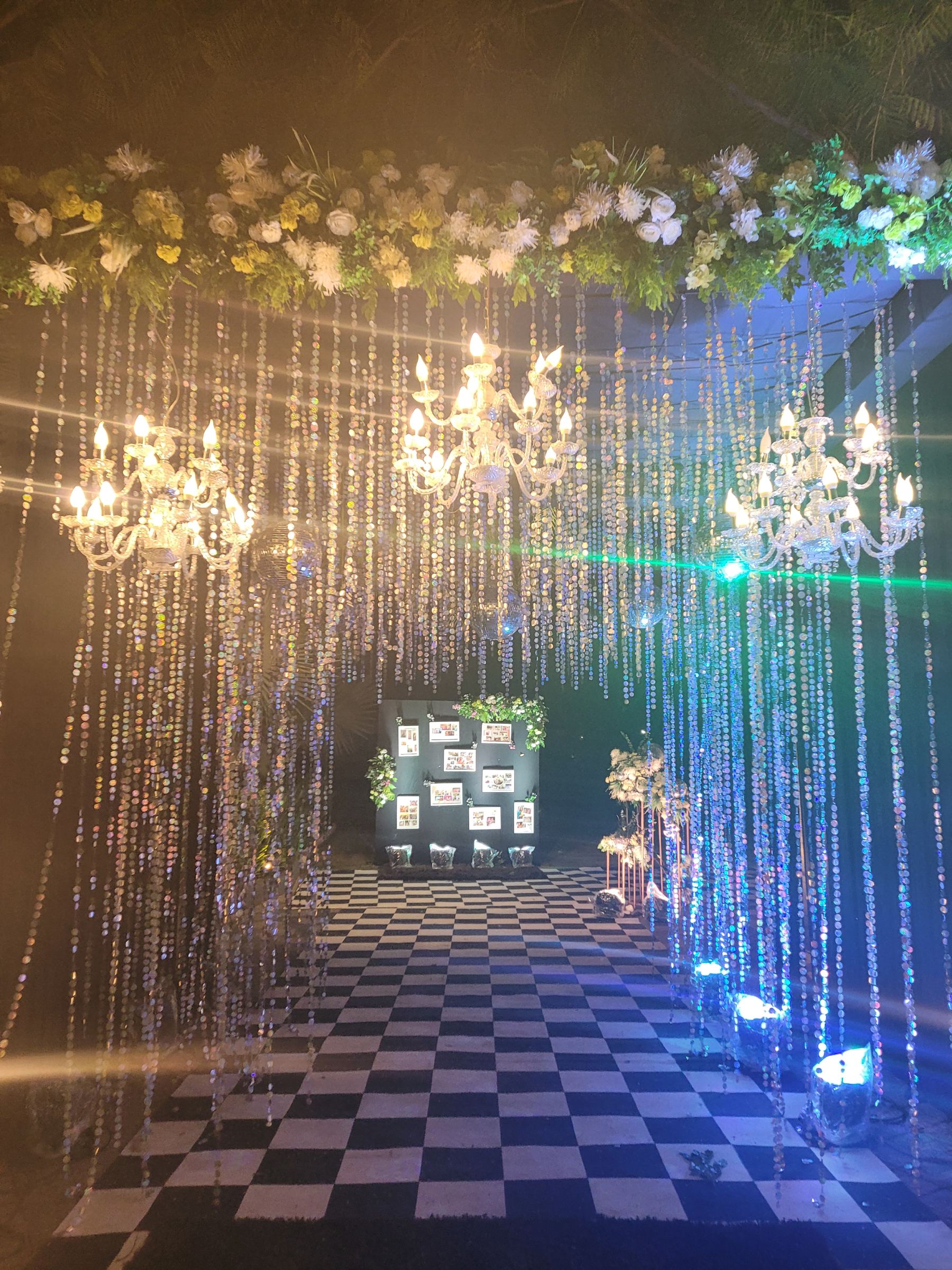
This objective-led approach allows corporate conference event management to remain connected to the organization's wider business purpose rather than treating the event as a standalone activity.
Event Formats
Our Conference Planning Process
A structured process helps keep the conference aligned from the first discussion through event completion.
Understand Your Conference Objectives
We begin by understanding why the conference is being organized, who will attend, what the organization wants to communicate, and what kind of experience the audience should have.
Develop the Conference Strategy
The planning framework is developed around the event objectives. This can include the event format, agenda, venue requirements, production, hospitality, branding, logistics, and timeline.
Plan the Venue & Event Experience
Venue selection and attendee experience are considered together. Registration, seating, stage, breakout areas, hospitality, signage, and guest movement are planned according to the event.
Coordinate Speakers, Delegates & Vendors
The different stakeholders are coordinated according to the event schedule. This includes speakers, delegates, venue teams, production suppliers, hospitality teams, and other vendors.
Manage Production & Branding
Stage design, AV, technical requirements, presentations, signage, branding, and other production elements are reviewed before the conference.
Execute the Conference On-Ground
During the event, the team coordinates schedules, vendors, production, guest support, hospitality, and operational requirements.
Review & Close the Event
After the conference, pending deliverables, feedback, documentation, and follow-up requirements can be reviewed to close the project systematically.
Planning a Conference
When Should You Start Planning a Conference?
The ideal timeline depends on the conference size, venue, number of attendees, speakers, production requirements, and overall complexity.
A practical planning framework can include:
12+ weeks before: Define objectives, budget, event format, and venue shortlist.
8–10 weeks before: Confirm the venue, event date, key speakers, and major suppliers.
6–8 weeks before: Finalize the creative direction, branding, catering, registration process, and production requirements.
4 weeks before: Confirm AV, guest lists, event run sheet, presentations, and logistics.
1–2 weeks before: Complete rehearsals, final confirmations, vendor checks, speaker coordination, and contingency reviews.
Event day: Coordinate setup, registration, speakers, production, hospitality, sessions, and closing activities.
After the event: Review feedback, deliverables, documentation, and follow-up actions
Organizations can also explore Trupp & Fest's corporate event planning guide for additional planning guidance, including venue selection, vendor coordination, production, and event timelines.

Conference Events
Our Approach to Conference Event Management
Our approach to conference event management combines strategic planning with practical event execution.
Understand → Plan → Design → Coordinate → Execute → Review
We begin by understanding the business purpose, audience, event format, and practical requirements. Creative and operational elements are then connected through one planning framework.
Venue, branding, production, hospitality, logistics, speakers, delegates, and vendors are treated as connected parts of the same event rather than isolated services.
For organizations comparing professional conference organisers, it is important to look beyond a service list. The planning methodology, communication process, vendor coordination, timeline management, technical preparation, and on-ground support are equally important.
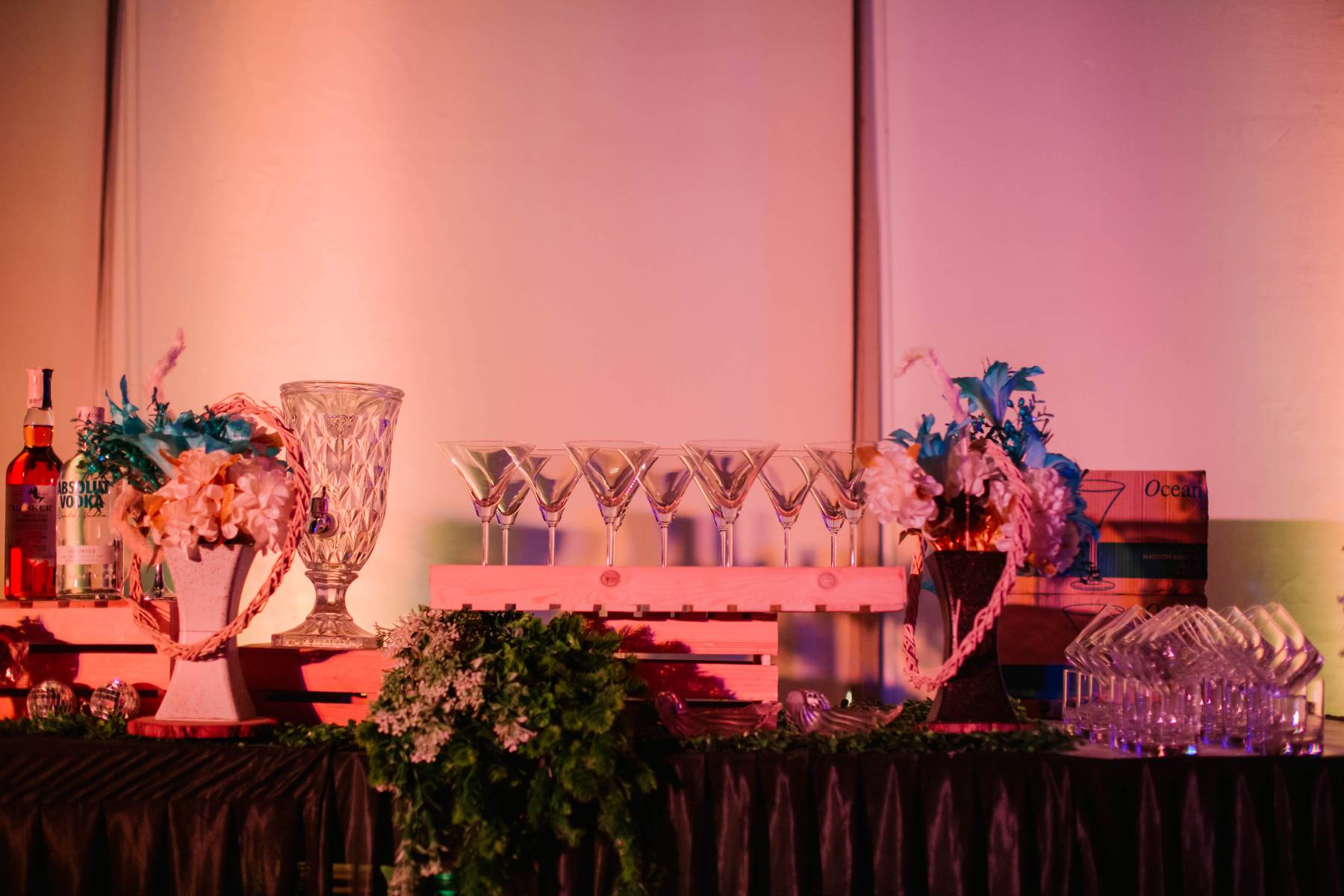
Why Choose Trupp & Fest
Why Choose Trupp & Fest for Your Conference?
Trupp & Fest's website positions the company around creative idea generation, one-point contact, customized solutions, flexible packages, expert team coordination, and an all-in-one event solution.
These principles can be applied to conference planning through a coordinated and personalized approach.
One-Point Coordination
A conference may involve venues, production teams, caterers, designers, transport providers, speakers, and other suppliers. Central coordination can simplify communication and responsibility.
Creative & Strategic Planning
A corporate conference does not need to feel generic. Creative concepts, branding, stage design, attendee touchpoints, and event details can be connected to the organization's message.
Flexible Event Planning
Conference requirements can vary significantly. The planning approach can be adjusted according to event size, audience, venue, duration, budget, and service requirements.
Integrated Hospitality & Logistics
Guest reception, catering, transportation, accommodation, VIP assistance, and delegate movement can be considered alongside the main conference schedule.
Dedicated Event-Day Coordination
The planning team can remain involved during setup, guest arrival, sessions, breaks, and closing activities to coordinate the different moving parts.
Experience Across Event Formats
Trupp & Fest highlights 425+ events, 10+ years of experience, a 15+ member team, and 300+ clients on its website. This wider experience provides a foundation for coordinating creative, operational, hospitality, and production requirements across different event formats.
For organizations comparing conference event management companies, this broader event experience can be considered alongside the specific services, planning process, and execution support offered.
Conference Technology
Conference Technology, Production & Attendee Experience
Technology should support the purpose of a conference rather than become a distraction. A keynote session may require a reliable presentation system and large display. A panel discussion may need multiple microphones and stage coordination. A hybrid conference may require streaming, remote participation, additional technical support, and audience interaction tools.
Production planning can consider:
- Stage design
- Sound
- Lighting
- LED screens
- Projection
- Microphones
- Presentation systems
- Video playback
- Recording
- Streaming
- Hybrid participation
The technology plan should be reviewed against the venue, agenda, speakers, audience size, and event format before the conference.
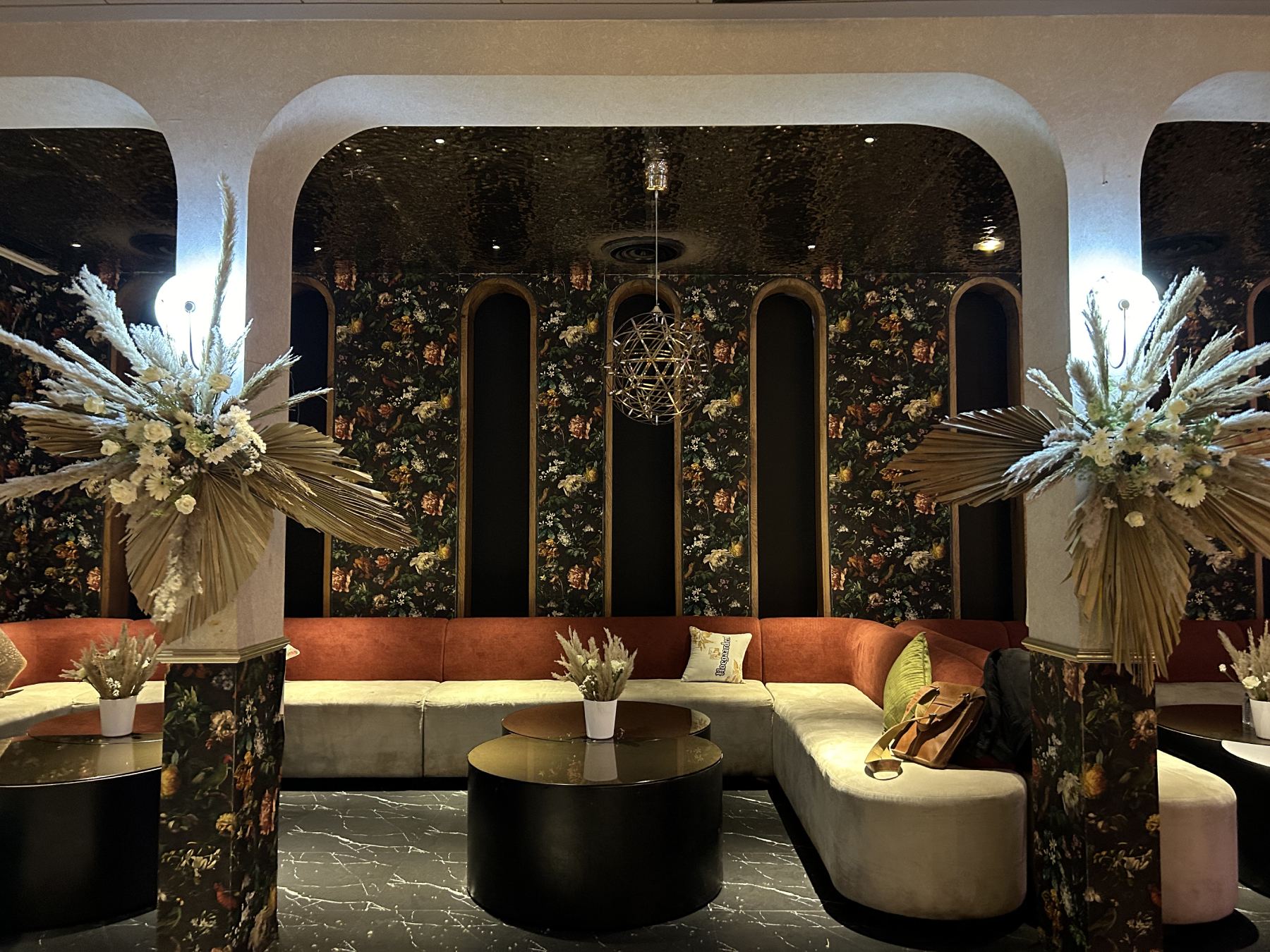
Conference in Mumbai
Planning a Conference in Mumbai: Key Considerations
Mumbai offers a wide range of venues and event infrastructure, but local planning requires more than choosing a venue with sufficient capacity.
Venue Accessibility
The location should be practical for delegates, speakers, executives, vendors, and production teams.
Travel & Transportation
Mumbai traffic and travel time can affect arrival schedules. Guest transportation and event timings should therefore be planned accordingly.
Accommodation
For outstation speakers and delegates, accommodation near the venue can make travel and event participation more convenient.
Venue Capacity & Layout
The venue should accommodate not only attendees but also registration, seating, stage production, networking, catering, and movement.
Technical Infrastructure
The venue's AV facilities, power arrangements, loading access, stage dimensions, and technical capabilities should be reviewed against the production plan.
Catering & Hospitality
Meals, refreshments, breaks, VIP requirements, guest reception, and hospitality desks should be incorporated into the event schedule.
Local Vendor Coordination
A conference may involve venue teams, production suppliers, caterers, decorators, transport providers, and other vendors. Centralized coordination can help keep these teams aligned.
Experience
Our Experience in Conference Planning
Conference execution depends on preparation, communication, and attention to details that attendees may never notice. A registration desk needs to be ready before guests arrive. Speakers need the right information and technical support. Vendors need clear schedules. Production teams need access at the correct time. Hospitality teams need accurate guest information. The event-day team needs to understand the run sheet and responsibilities.
Trupp & Fest's broader experience across corporate and social events includes creative planning, venue coordination, logistics, hospitality, production, and event-day execution. The website currently highlights 425+ events and 10+ years of experience alongside a 15+ member team.

This experience is relevant when evaluating a conference management company Mumbai because many conference requirements overlap with other complex events: vendor coordination, guest movement, production, branding, hospitality, scheduling, and last-minute adjustments.
A Perspective From Our Founder
Trupp & Fest founder Varsha Kasera describes her event-planning approach around flexibility, creative ideas, attention to detail, and creating a stress-free experience for clients. Her perspective emphasizes that small details can influence the overall event experience.
For conference planning, this philosophy is relevant because a successful business event depends not only on large production elements but also on the smaller operational details that shape the attendee journey.
Management vs Independent Vendors
Conference Management vs. Hiring Multiple Event Vendors
Managing a conference through separate vendors can require an internal team to coordinate different conversations, schedules, quotations, deliverables, and event-day responsibilities. A centralized conference partner can bring these requirements into one coordinated planning framework.
| Centralized Conference Management | Multiple Independent Vendors |
|---|---|
| One coordinated event plan | Multiple separate plans |
| Central point of communication | Several vendor contacts |
| Integrated event schedule | Individual schedules |
| Coordinated event-day execution | Client-led coordination |
| Connected hospitality and logistics | Separate service management |
| Centralized issue coordination | Cross-vendor issue resolution |
The right approach depends on the organization's internal resources and conference complexity. For detailed events involving multiple suppliers and stakeholders, centralized coordination can reduce the operational burden on the internal team.
When evaluating conference planning companies, businesses should look beyond a service list and understand how the agency manages communication, timelines, production, hospitality, logistics, and event-day execution.
FAQ
Frequently Asked Questions About Conference Management
Corporate Event
Explore Our Corporate Event Services
Planning a conference involves many interconnected decisions. A clear understanding of your objectives, audience, venue, production requirements, hospitality needs, timeline, and event format can create a more structured planning process.
Whether you are organizing a corporate conference, leadership meeting, industry gathering, dealer conference, business seminar, networking event, or hybrid conference, Trupp & Fest can discuss your requirements and develop an event plan around your objectives.
Businesses looking for corporate conference event management can share their event requirements with the team to discuss the appropriate planning scope and execution approach.
Get a Conference Planning Quote
Planning a conference involves many interconnected decisions. A clear understanding of your objectives, audience, venue, production requirements, hospitality needs, timeline, and event format can create a more structured planning process.
Whether you are organizing a corporate conference, leadership meeting, industry gathering, dealer conference, business seminar, networking event, or hybrid conference, Trupp & Fest can discuss your requirements and develop an event plan around your objectives.
Businesses looking for corporate conference event management can share their event requirements with the team to discuss the appropriate planning scope and execution approach.
Share your event date, location, expected attendees, conference format, and key requirements with the Trupp & Fest team to begin the planning conversation