How to Choose the Right Conference Venue in Mumbai
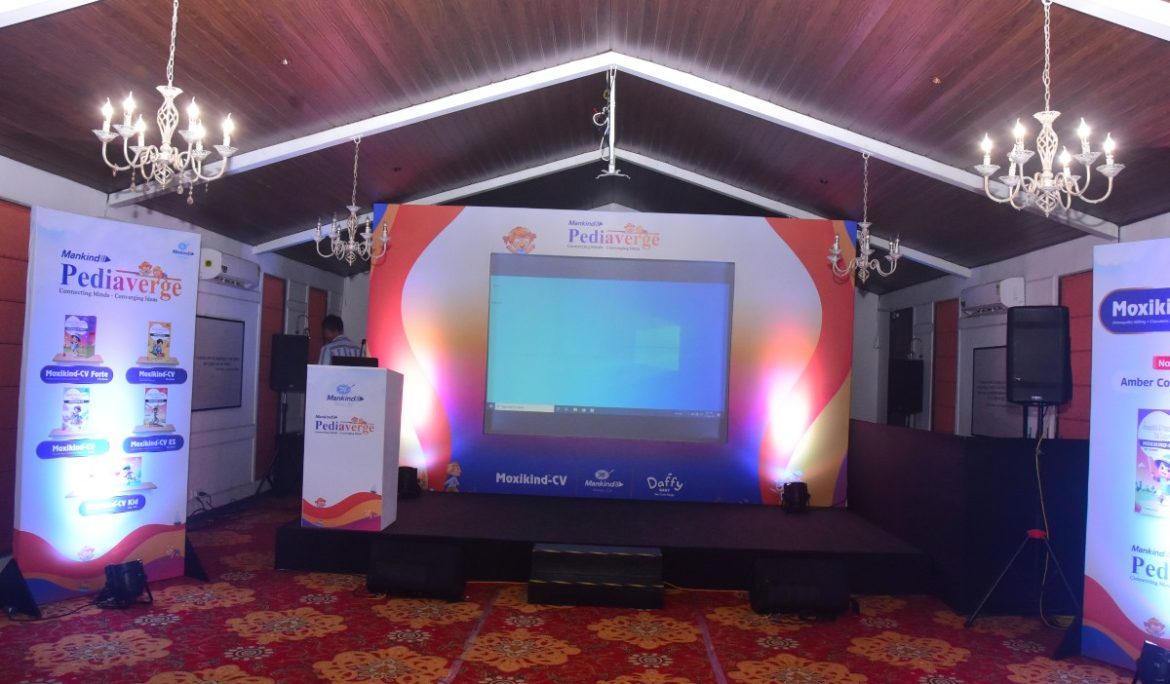
Choosing the right Conference Venue in Mumbai is one of the most important decisions when planning a successful business conference. The venue influences attendee convenience, event flow, brand presentation, technical execution, networking opportunities, and overall experience.
Mumbai offers everything from premium business hotels and convention centres to corporate halls, banquet spaces, and purpose-built event venues. However, having many options can make the selection process more complicated.
The right venue should match your event objectives, audience size, location requirements, seating format, technology needs, catering expectations, and budget. This guide explains the key factors businesses should evaluate before confirming a venue and how professional planning can simplify the process.
Conference Venue in Mumbai: Start With Your Event Requirements
Before visiting venues or requesting quotations, clearly define what your conference needs to accomplish. Starting with requirements makes it easier to compare venues objectively rather than choosing based on appearance or price alone.
Define the Conference Objective
Your objective should influence almost every venue decision. A leadership summit may require a premium and private environment, while a training conference may need flexible seating and multiple breakout rooms.
Common objectives include:
- Leadership summits
- Industry conferences
- Business seminars
- Training sessions
- Dealer or partner conferences
- Networking events
- Corporate presentations
Determine Expected Attendance
Estimate your total guest count before approaching venues. Consider delegates, speakers, VIPs, media representatives, event staff, and other participants.
A venue that technically accommodates 300 people may not be comfortable for a 300-person conference once you account for the stage, registration desk, technical equipment, networking space, and movement.
Decide the Event Format
Your seating requirements may include theatre, classroom, U-shaped, boardroom, cabaret, or open networking arrangements. Ask venues whether furniture can be rearranged without creating significant setup delays.
Establish the Budget
Set a realistic budget that includes more than venue rental. Catering, AV, production, décor, staffing, taxes, parking, internet, and additional setup hours can significantly affect the final cost.
Professional conference planning services can help businesses identify these requirements before approaching venues, making the comparison process more structured.
Choose the Right Location for Your Conference in Mumbai
Location can directly affect attendance and punctuality, particularly in a city where travel times vary considerably between business districts. Instead of selecting a venue simply because it is prestigious, consider where your delegates are travelling from and how easily they can reach the location.
Bandra-Kurla Complex
BKC is particularly suitable for leadership meetings, executive conferences, financial-sector events, and premium corporate gatherings. Its strong business identity can also support a professional brand image.
Andheri East
Andheri East can be practical when your attendees include people travelling from outside Mumbai because of its proximity to the airport and substantial business infrastructure. It can also work well for conferences requiring larger venue options.
Lower Parel and South Mumbai
Lower Parel and South Mumbai offer convenient options for organisations with audiences connected to financial, professional, and established commercial districts. These areas can suit conferences where central business access is important.
Powai
Powai can be suitable for technology companies, leadership retreats, strategic meetings, and conferences where a less traditional business-district environment is preferred.
Other Mumbai Areas
Goregaon, Santacruz, and Navi Mumbai can also be considered depending on attendee location, venue capacity, parking requirements, and overall event format.
When comparing corporate venues in Mumbai, evaluate travel convenience alongside the venue itself. A visually impressive location may still be a poor choice if it creates unnecessary travel difficulties for most attendees.
Check Venue Capacity and Seating Flexibility
Capacity should be evaluated according to the actual conference setup rather than the maximum number advertised by the venue. For example, a conference with a stage presentation, registration desk, product displays, networking area, and technical equipment will require considerably more usable space than a simple seated gathering.
Check whether the venue can comfortably accommodate:
- Attendee seating
- Stage and presentation area
- Registration desk
- Speaker preparation space
- Networking zones
- Exhibition or demonstration areas
- Technical equipment
- Catering stations
Also ask whether the venue can support different seating arrangements. A corporate conference planner can help map the agenda to the required room layout so that transitions between presentations, workshops, and networking sessions remain practical.
Evaluate Technology and AV Infrastructure
Technology is now central to most conferences. A venue may look excellent but still create problems if its audio, internet, screens, lighting, or presentation infrastructure cannot support the event.
Before booking, ask about:
- LED screens or projectors
- Professional microphones
- Sound systems
- Stage lighting
- Presentation playback
- Internet bandwidth
- Dedicated connectivity
- Hybrid-event support
- Video conferencing
- Recording facilities
- Technical personnel
- Backup equipment
- Power backup
Do not assume that a venue advertising “AV facilities” automatically meets your production requirements. Ask for a detailed equipment list and, for technically demanding conferences, conduct a site inspection. A conference management agency can also coordinate technical requirements with venue teams and production vendors, reducing the risk of last-minute technical gaps.
Assess Catering, Breakout Rooms and Guest Facilities
Attendee comfort is an important part of conference planning. Even a well-designed program can lose impact when guests experience long queues, limited food options, uncomfortable seating, or inadequate breakout facilities.
Catering
Confirm whether the venue can accommodate:
- Breakfast
- Tea and coffee breaks
- Lunch
- Snacks
- Vegetarian and other dietary requirements
- Timed meal service
Discuss menu choices and service arrangements in advance rather than relying only on the standard package.
Breakout Rooms
Breakout spaces can support workshops, smaller discussions, speaker preparation, VIP meetings, and parallel sessions. If your agenda includes multiple tracks, check the number, size, and location of these rooms.
Guest Facilities
Also evaluate:
- Restrooms
- Registration areas
- Waiting spaces
- Parking
- Valet facilities
- Accessibility
- Signage
Experienced conference planning companies can help coordinate these individual requirements so that the venue supports the entire attendee journey.
Compare Venue Pricing and the Total Event Cost
Venue quotations can be difficult to compare because different properties may include different services in their packages.
Look beyond the headline rental price and check whether the quotation includes:
- Venue rental
- Food and beverages
- Taxes
- Service charges
- AV equipment
- Technical staff
- Décor
- Internet
- Security
- Parking
- Setup time
- Additional event hours
- Vendor access charges
A venue with a lower rental fee may ultimately cost more if essential services are charged separately. When using conference planning services, ask for a consolidated budget that separates fixed venue costs from production, catering, décor, technology, staffing, and other event expenses.
The goal is not simply to find the cheapest venue. It is to identify the venue that provides the right combination of value, facilities, accessibility, service, and event suitability.
Check Accessibility, Parking and Guest Logistics
Mumbai’s traffic and varied transport connectivity make accessibility an important part of venue selection.
Consider how attendees will reach the venue by:
- Private vehicle
- Taxi or cab
- Metro
- Local train
- Airport transfer
- Company transport
Parking capacity is particularly important for conferences with senior executives, VIPs, or large numbers of guests arriving by car.
Also check:
- Pickup and drop-off points
- Valet arrangements
- Vendor loading areas
- Accessibility facilities
- Internal signage
- Entry and registration flow
Professional corporate event planners in Mumbai can help assess these logistical considerations based on the expected attendee profile and event schedule.
Review the Venue’s Reputation and Service Quality
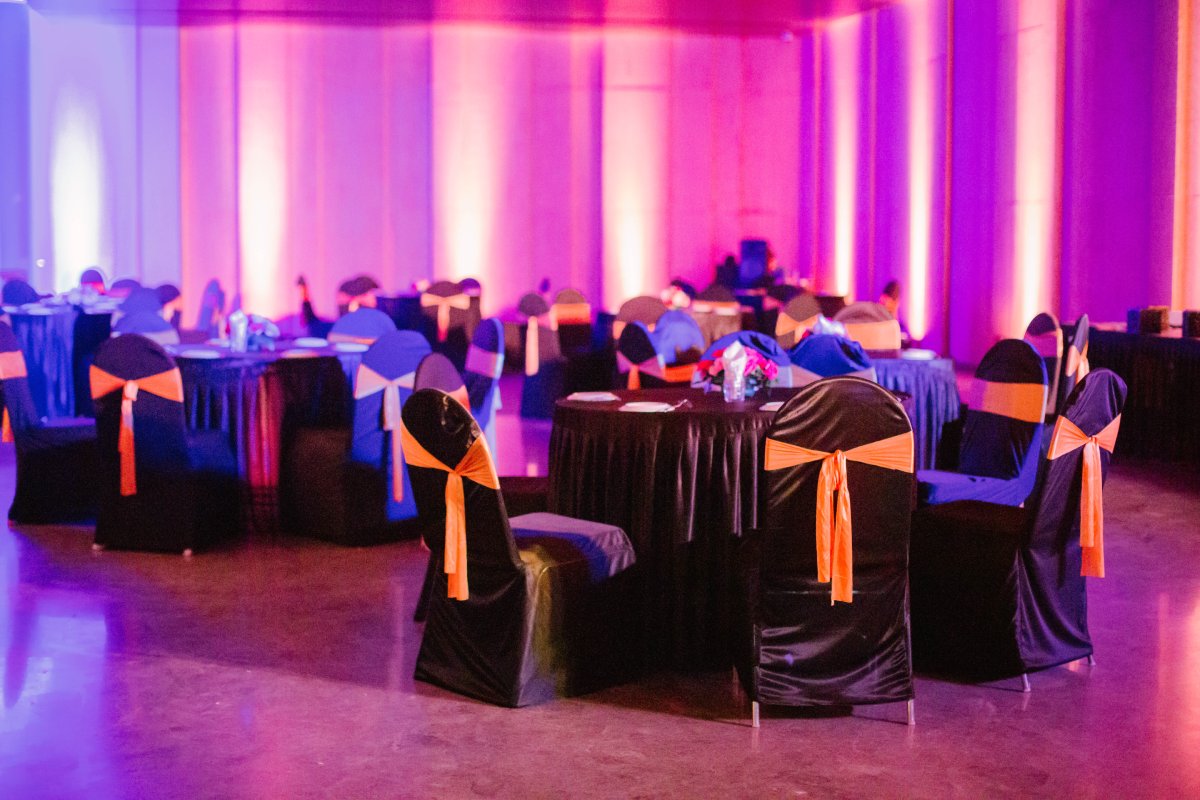
Photographs can show how a venue looks, but they cannot tell you how effectively its team will support your conference.
Before making a decision, review:
- Recent customer feedback
- Corporate-event experience
- Staff responsiveness
- Cleanliness
- Service standards
- Technical support
- Previous event references
It is also worth asking the venue a few practical questions:
- Who will be the on-site contact during the conference?
- What happens if AV equipment fails?
- How early can vendors enter for setup?
- What are the cancellation and postponement terms?
- Are outside vendors permitted?
- What additional charges could apply?
An experienced conference event planner can identify potential operational issues during venue discussions and site inspections.
Match the Venue to Your Conference Experience
The best venue is not necessarily the largest or most expensive. It is the one that supports the experience you want attendees to have.
Leadership Conference
Prioritize privacy, executive hospitality, comfortable seating, premium service, and networking areas.
Industry Conference
Focus on stage visibility, professional AV, seating capacity, networking space, and efficient attendee movement.
Training Conference
Look for flexible seating, breakout rooms, reliable technology, and an environment suitable for extended sessions.
Product or Business Conference
Consider branding opportunities, demonstration areas, audience interaction, stage design, and presentation technology.
Hybrid Conference
Prioritize reliable internet, professional AV, cameras, sound systems, streaming infrastructure, and technical support.
When comparing corporate venues in Mumbai, start with the desired attendee experience and then assess which venue features are necessary to deliver it.
Use a Conference Venue Comparison Checklist
Once you have shortlisted potential venues, use the same criteria for each option. This makes the decision less subjective and helps identify hidden differences between quotations.
| Factor | What to Check |
| Location | Travel time and accessibility |
| Capacity | Comfortable seating, stage and networking |
| Layout | Seating flexibility |
| AV | Screens, sound and microphones |
| Internet | Reliability and bandwidth |
| Catering | Menu and service |
| Breakouts | Number and room size |
| Parking | Capacity and access |
| Accessibility | Inclusive facilities |
| Cost | Complete quotation |
| Support | On-site assistance |
| Reputation | Reviews and references |
Ideally, shortlist three to five options before making the final decision. A corporate conference organizer in Mumbai can use a structured comparison to evaluate venue proposals against the event’s operational and commercial requirements.
When Should You Hire a Conference Event Management Company in Mumbai?
Organising a small meeting internally may be manageable, but larger conferences often involve multiple moving parts that require dedicated coordination.
A conference event management company in Mumbai can be particularly useful when your event involves:
- Large delegate numbers
- Multiple speakers
- Complex AV production
- Hybrid participation
- Multiple vendors
- VIP attendees
- Tight schedules
- Multiple sessions
- Branding and production
- On-site coordination
Professional support can extend beyond venue selection. Depending on the scope, an event team can coordinate venue research, proposal comparisons, negotiations, event design, production, vendor management, guest registration, technical requirements, catering, branding, and on-ground execution.
For organisations planning a complex conference, working with an experienced event and conference organiser can reduce the administrative workload while creating a more consistent attendee experience.
Conference Venue Booking Timeline
Venue availability can become limited during popular dates, so early planning is recommended.
8-12+ Weeks Before
- Define objectives
- Estimate attendance
- Set the budget
- Identify suitable areas
- Create the venue shortlist
6-8 Weeks Before
- Conduct venue visits
- Compare proposals
- Review contracts
- Confirm the venue
3-4 Weeks Before
- Finalise AV
- Confirm catering
- Approve seating
- Complete branding
- Send guest communication
1 Week Before
- Conduct technical checks
- Confirm final headcount
- Reconfirm vendors
- Review the event run sheet
Larger conferences, premium venues, and events involving multiple production vendors may require considerably more preparation time. Conference planning companies can help establish the timeline and coordinate dependencies between venue, production, speakers, and vendors.
Common Mistakes to Avoid When Choosing a Conference Venue
Even experienced businesses can overlook practical details when selecting a venue.
Avoid these common mistakes:
- Choosing a venue based only on photographs
- Ignoring attendee travel time
- Selecting a space without checking comfortable capacity
- Comparing only venue rental prices
- Assuming AV equipment is included
- Forgetting breakout-room requirements
- Not checking internet capacity
- Overlooking accessibility
- Skipping the physical site visit
- Not reviewing contract terms
- Leaving technical testing until event day
A conference management agency can provide an additional operational perspective and identify requirements that may otherwise be missed during the venue-selection process.
Plan Your Conference With Trupp & Fest
Choosing a venue is only one part of delivering a successful corporate conference. Trupp & Fest can support businesses with the wider planning and execution process, from developing the event concept to coordinating production and managing the experience on the day.
Depending on your requirements, the team can assist with:
- Conference concept development
- Venue selection
- Event design
- Stage and AV coordination
- Production
- Corporate branding
- Guest management
- Catering coordination
- Vendor management
- On-ground execution
As a conference event management company in Mumbai, Trupp & Fest can help businesses bring venue, creative, technical, and operational requirements together under one coordinated event plan.
For organisations looking for a professional conference event planner, the focus should be on creating an event that is aligned with business objectives while remaining practical for attendees and the internal team. You can explore Trupp & Fest’s corporate event services to understand how its corporate event capabilities can support conferences and other business events.
FAQs About Choosing a Conference Venue in Mumbai
What should I consider when choosing a Conference Venue in Mumbai?
Consider location, attendee capacity, seating flexibility, AV infrastructure, internet connectivity, catering, breakout rooms, accessibility, parking, service quality, and the complete event cost.
Which areas in Mumbai are suitable for corporate conferences?
BKC, Andheri East, Lower Parel, South Mumbai, Powai, Goregaon, Santacruz, and Navi Mumbai can all work depending on attendee location, event format, capacity, and accessibility requirements.
How early should I book a Conference Venue in Mumbai?
For larger conferences or popular dates, start venue research several months in advance. This provides more choice and sufficient time for technical planning, vendor coordination, and guest communication.
What does a conference event planner handle?
A conference event planner may coordinate venue selection, event schedules, suppliers, AV requirements, catering, branding, guest management, and on-site execution.
When should I hire a corporate conference planner?
Consider professional support when the event has a large guest list, multiple vendors, complex technical requirements, VIP attendees, multiple sessions, or a demanding production schedule.
What does a conference management agency typically coordinate?
Depending on the scope, a conference management agency can coordinate venue operations, production, technical requirements, vendors, catering, registration, speakers, branding, and on-ground event execution.
How can I compare different conference venues?
Use a consistent checklist covering location, capacity, layout, AV, internet, catering, breakout rooms, parking, accessibility, total cost, service support, and venue reputation. This makes it easier to compare proposals fairly.