Best Product Launch Event Ideas Planning and Management Guide 2026
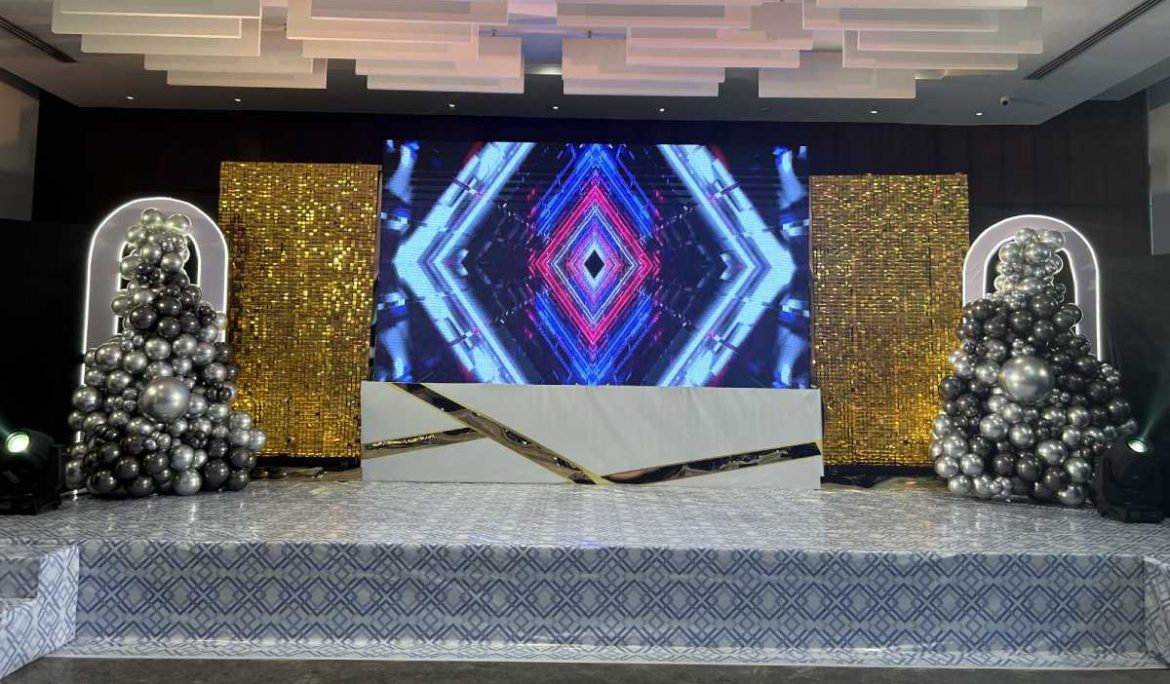
Launching a new product is more than putting a product on a stage and announcing its arrival. The most effective product launch event ideas are designed around a clear business objective, a well-defined audience, and an experience that helps people understand why the product matters. In 2026, companies are increasingly combining live demonstrations, immersive experiences, digital engagement, and strong storytelling to make launches more memorable.
For businesses in Mumbai, the right launch also requires careful attention to venue selection, guest movement, production, technology and event logistics. Whether the goal is to generate awareness, attract potential customers, engage partners or create media interest, every element should support the product story.
This guide explains how to select the right format, develop engaging concepts, plan the event, manage production and measure results so your next product launch can create both audience impact and business value.
Define Your Product Launch Goals and Audience First
Before exploring creative concepts, define what the launch needs to achieve. A product launch focused on awareness will require a different experience from one designed primarily to generate qualified leads or product trials.
Start by identifying one primary objective, such as:
- Building brand awareness
- Educating customers about the product
- Generating qualified leads
- Creating sales opportunities
- Securing media coverage
- Engaging existing customers
- Strengthening partner relationships
Next, identify who should attend. Your audience could include existing customers, prospects, employees, media representatives, influencers, distributors, business partners, or investors.
Audience expectations should influence the event experience. A B2B technology launch may benefit from expert discussions and detailed demonstrations, while a consumer product may need hands-on experiences and highly shareable activations.
This strategic foundation makes it easier to select the right format, venue, activities, and messaging instead of adding experiences simply because they look impressive. A professional product launch event management companies can help align creative concepts with business goals, while an experienced product launch event planner can coordinate audience-focused execution.
Choose the Right Product Launch Event Format
There is no single format that works for every product. The right choice depends on your audience, product, objectives, geography, and budget.
In-Person Product Launch
A physical launch is suitable when face-to-face interaction and product demonstrations are important. Guests can see, touch or test the product while speaking directly with representatives.
VIP Preview
A private preview can give selected customers, partners, media or influencers early access. It can also create anticipation before the wider launch.
Hybrid Launch
A hybrid format combines a physical experience with online participation. It can work particularly well when customers, partners or media are spread across different locations.
Pop-Up or Experiential Launch
Pop-up activations can bring the product directly into relevant high-footfall environments. They are particularly useful for consumer-facing products that benefit from trial and discovery.
Media and Influencer Preview
A dedicated preview gives selected creators and media professionals an opportunity to understand the product before the public launch and create early content.
Dealer or Partner Launch
For B2B products, a partner-focused launch can help distributors, dealers, and business stakeholders understand the product, positioning, and commercial opportunity.
The best format is the one that makes the product easy to understand while creating a natural path toward the desired action. Experienced product launch event management companies can evaluate formats based on audience expectations, while a skilled product launch event planner coordinates practical execution.
10 Creative Product Launch Event Ideas for 2026
A memorable launch should make the audience experience the product rather than simply hear about it. Here are ten concepts that can be adapted to different industries and budgets.
1. Immersive Product Experience Zone
Create an environment where guests can experience the product in a realistic setting. Instead of displaying features on a screen, demonstrate how the product fits into everyday or professional situations.
2. Story-Driven Product Reveal
Build anticipation around a problem your audience understands. Move from the challenge to the insight, then introduce the product as the solution. This gives the reveal a purpose instead of making it feel like a standalone announcement.
3. Live Product Demonstration
A live demonstration can make complex features easier to understand. Show the product solving an actual problem and explain the benefit in practical terms.
4. Interactive Demo Stations
Create multiple stations where attendees can explore specific features. Product experts can guide visitors, answer questions, and collect useful feedback.
5. Themed Brand Environment
Transform the venue around the product’s identity. From entrance branding to stage design and experience zones, the visual environment can reinforce the central product message.
6. VIP Pre-Launch Experience
Invite a smaller group of important customers, partners or industry voices for an exclusive preview. This creates a more personal setting for conversations and product discovery.
7. Customer or Partner Testimonial
Real customer experiences can add credibility to a launch. A short, relevant testimonial can show how the product addresses a genuine requirement.
8. Interactive Expert Session
An expert panel or industry discussion can provide context around the problem the product is solving. It can also make the launch more educational and valuable for professional audiences.
9. Hybrid Interactive Launch
Give online attendees opportunities to participate through live questions, polls, digital demonstrations, and moderated interaction rather than treating them as passive viewers.
10. Post-Reveal Experience Zone
Keep the experience active after the main reveal. Allow guests to test the product, meet experts, ask questions, and network. This gives attendees more time to understand the product and discuss its relevance.
These creative product launch event ideas can be adapted according to the product category, audience profile, and desired outcome. Strong new product launch ideas should always connect creativity with a clear business purpose.

Product Launch Activities That Increase Audience Engagement
The right activities should help guests understand, experience, or remember the product. They should not compete with the main product message.
For example, demonstrations and workshops are useful when the objective is product education. Gamification and interactive challenges can increase participation, while QR-based registration or consultation zones can support lead generation.
For consumer audiences, product trials, customization stations, and photo experiences can encourage participation and social sharing. For professional audiences, expert Q&A sessions, guided demonstrations, and customer discussions may create more meaningful engagement.
When selecting product launch activities, ask a simple question: What should the attendee understand, feel, or do after participating?
That question helps eliminate activities that look attractive but do not contribute to the launch objective.
How to Plan a Product Launch Event Step by Step
Effective launch planning begins well before guests enter the venue. A structured approach helps coordinate the creative, technical, and operational elements.
Step 1: Define Objectives and KPIs
Decide what success looks like. Depending on the objective, you could measure registrations, qualified leads, product trials, media coverage, engagement, or sales opportunities.
Step 2: Identify the Audience
Segment attendees according to their relationship with the product. Customers, prospects, media, partners, and employees may each require different messaging and experiences.
Step 3: Build the Product Story
Develop a simple narrative:
Problem → Insight → Solution → Proof → Action
The story should explain why the product exists and what value it provides.
Step 4: Select the Format and Venue
Choose between physical, hybrid, virtual, pop-up, or other formats based on the audience and product requirements.
Step 5: Plan the Guest Journey
Map the complete experience:
Invitation → Arrival → Discovery → Reveal → Demonstration → Engagement → CTA → Follow-up
Step 6: Build the Production Plan
Confirm requirements for the stage, screens, lighting, sound, presentations, product demonstrations and branding.
Step 7: Rehearse and Test
Conduct a complete rehearsal. Test presentations, product demonstrations, audio, lighting, playback, internet connectivity and backup systems.
A good planning process allows creative ideas to work within practical production and operational limits. Working with product launch event management companies can simplify vendor coordination, while a dedicated product launch event planner can oversee timelines, rehearsals and guest experiences.
How to Structure the Product Launch Program
A well-paced agenda gives the product enough attention without making the event feel like a long corporate presentation.
A sample program could include:
Guest Arrival & Networking: 15–20 minutes
Registration, welcome, and initial brand interaction.
Opening: 5–10 minutes
Host introduction and brief event context.
Brand/Product Story: 10–15 minutes
Introduce the audience problem and the opportunity.
Product Reveal: 5–10 minutes
Create anticipation and formally introduce the product.
Live Demonstration: 15–20 minutes
Show the product solving a relevant problem.
Expert or Customer Perspective: 10–15 minutes
Add industry insight, customer experience, or practical proof.
Interactive Experience: 20–30 minutes
Allow attendees to explore and test the product.
Networking & Closing: 30–60 minutes
Give guests time to ask questions, connect with representatives, and discuss next steps.
The exact agenda should be adjusted according to the product, audience, and event format. The central principle remains simple: show the product in action instead of relying entirely on slides.
Choosing a Product Launch Venue in Mumbai
Venue selection can significantly influence the quality of a launch experience. A visually attractive venue may not be suitable if it cannot support the product demonstration, stage design, or technical requirements.
When evaluating a Mumbai venue, consider:
- Guest capacity
- Accessibility
- Parking
- Public transport
- Traffic and travel time
- Stage dimensions
- AV infrastructure
- Internet connectivity
- Product demonstration space
- Branding opportunities
- Loading and unloading access
- Indoor or outdoor requirements
- Weather considerations
Think about the experience you want to create before selecting the venue. A technology launch may require strong internet connectivity and
advanced AV support, while a large consumer product may require greater floor space for demonstrations.
Experienced corporate event planners in Mumbai can also help evaluate whether a venue is practical for the intended guest journey and production setup.
Product Launch Event Production and Management Checklist
Creative planning is only one part of a successful launch. Production and execution need the same level of attention.
Stage and Set
The stage should support the product reveal and reflect the brand without distracting from the product.
AV and Lighting
Screens, sound, lighting, playback systems and presentations should be tested before the event.
Product Demonstration
Keep backup units or demonstration plans available. Staff should understand the product well enough to answer questions.
Guest Management
Plan registration, entry, movement, seating, experience zones and networking areas.
Vendor Coordination
Multiple vendors may be involved, including production, décor, catering, photography, entertainment, security and transportation.
Technical Rehearsal
Run through the entire event before opening the doors. Check presentations, cues, sound, lighting, product demonstrations and backup systems.
This is where a professional corporate event management company in Mumbai can add value by coordinating creative, technical and operational requirements under one event plan.
Virtual Product Launch Event Ideas for Wider Reach
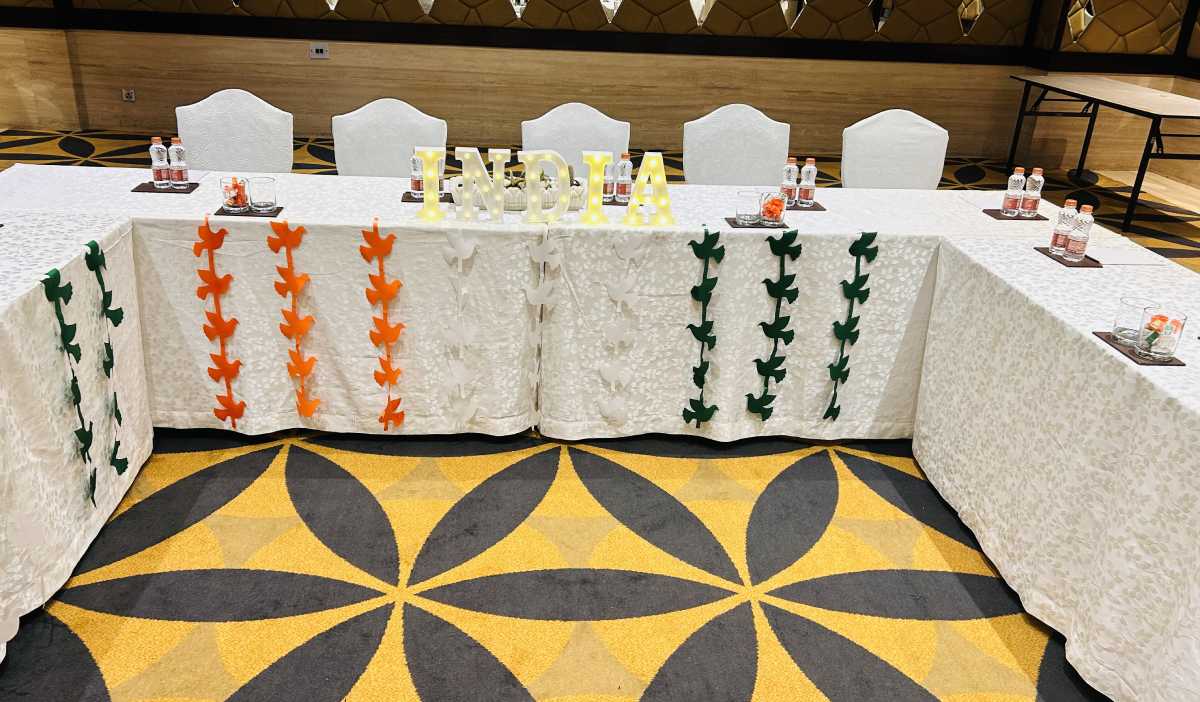
A virtual launch can extend a product reveal beyond the physical venue, particularly when customers or business stakeholders are spread across multiple locations.
Useful virtual product launch event ideas include:
- Interactive livestreams
- Virtual product demonstrations
- Live Q&A sessions
- Audience polls
- Digital networking
- On-demand product content
- Online product walkthroughs
The digital experience should be designed specifically for remote participants. Simply placing a camera in front of a physical stage may not provide enough engagement.
Technical preparation is equally important. Plan for stable internet, professional cameras, quality audio, suitable lighting, a reliable streaming platform, backup connectivity, and a technical rehearsal.
A dedicated virtual moderator can also help manage questions and keep remote attendees involved throughout the program.
Promote the Product Launch Before, During and After the Event
A launch should be treated as a campaign rather than a single event day.
Before the Event
Build anticipation through save-the-date communication, personalized invitations, teaser videos, countdown content, registration campaigns, and selected media or influencer outreach.
Avoid revealing everything too early. The purpose of pre-event communication is to create curiosity around the product.
During the Event
Capture important moments through short videos, photographs, product reveal clips, interviews and audience-generated content. These assets can extend the reach of the physical experience.
After the Event
Follow up with attendees, share product information, distribute event highlights, and continue conversations with qualified leads.
For a virtual format, selected content from the event can also become on-demand material, helping the launch continue beyond the original broadcast. The strongest new product launch ideas connect pre-event anticipation with the live experience and post-event follow-up.
How to Measure Product Launch Event Success
The success of a launch should be evaluated against its original objective.
Attendance
Track registrations, attendance rate and no-shows.
Engagement
Measure demonstration participation, questions, session attendance and interactions within experience zones.
Marketing
Review social reach, content shares, media mentions and website traffic.
Business
Measure qualified leads, product trials, enquiries and sales opportunities.
For example, an awareness-focused launch may prioritize reach and media coverage, while a B2B launch may place greater emphasis on qualified leads and business conversations.
The best product launch events are not necessarily the largest or most elaborate. They are the ones that create a strong connection between the event experience and the business outcome.
Common Product Launch Event Mistakes to Avoid
Even strong concepts can lose their impact when execution is not properly planned.
Avoid these common mistakes:
- Starting with product features instead of audience needs
- Choosing a venue without checking production requirements
- Making presentations unnecessarily long
- Underestimating AV and technical requirements
- Failing to rehearse live demonstrations
- Choosing entertainment unrelated to the product or audience
- Ignoring virtual attendees during a hybrid launch
- Providing no clear call to action
- Failing to capture relevant leads
- Ending the event without a structured follow-up plan
A product launch should feel focused. Every element, from the invitation to the closing communication, should support the central product story.
When to Hire Corporate Event Planners in Mumbai for a Product Launch
Professional support becomes particularly valuable when an event involves a large audience, multiple vendors, complex production, or a tight launch schedule.
Consider working with experienced corporate event planners in Mumbai when you need support with:
- Event concept development
- Venue selection
- Production management
- Product demonstrations
- Hybrid technology
- Guest management
- Vendor coordination
- Media or influencer experiences
- On-ground execution
An experienced team can coordinate the creative and operational sides of the launch while the internal marketing or product team remains focused on the product, messaging, and business goals.
A corporate event management company in Mumbai can also help bring different suppliers and event functions together under a coordinated execution plan. This becomes particularly useful when the launch requires detailed stage production, branded environments, technical rehearsals, and multiple guest touchpoints.
Plan Your Product Launch With Trupp & Fest
A successful launch needs an idea that looks compelling and an execution plan that works behind the scenes. Trupp & Fest supports corporate events with an end-to-end approach covering concept development, event design, venue coordination, stage and production, guest experience, entertainment, catering, logistics and on-ground execution.
For companies planning a product launch in Mumbai, the event can be structured around the product’s audience, objectives and desired experience rather than using a one-size-fits-all format.
Whether the requirement involves an intimate product preview, a larger corporate launch, or a hybrid experience, the planning process should connect the creative concept with practical production and measurable outcomes.
Explore Trupp & Fest’s corporate event services to plan an event experience aligned with your brand and launch objectives.
FAQs About Best Product Launch Events
What are the best product launch event ideas for 2026?
Immersive experience zones, live demonstrations, interactive reveals, VIP previews, hybrid launches and hands-on product experiences are among the formats businesses can consider. The right concept depends on the product, audience and launch objective.
How early should a product launch event be planned?
The timeline depends on the event’s size and complexity. Larger launches generally require more time for venue selection, creative development, production planning, vendor coordination, invitations and rehearsals.
What activities work well for a product launch?
Product demonstrations, guided trials, interactive challenges, expert Q&A sessions, workshops, customization experiences and feedback stations can encourage meaningful participation.
Should a product launch be physical, virtual or hybrid?
The choice depends on the audience, geographic reach, product type, budget and objective. Physical events are useful for hands-on experiences, while hybrid and virtual formats can extend reach to people who cannot attend in person.
When should a company hire corporate event organisers?
Professional corporate event organisers can be useful when a launch involves multiple vendors, complex production, large audiences, hybrid technology, media participation or a demanding timeline. They can coordinate the event from concept development through on-ground execution.